Infinet

Don’t Let Cyber Scares Haunt Your Business

vecteezy set of pumpkins vector graphics in the dark on grass 23035993 1

Let’s dive into some common IT horror stories and how to avoid these frightful scenarios.

Phishing Attacks – The Digital Trickery

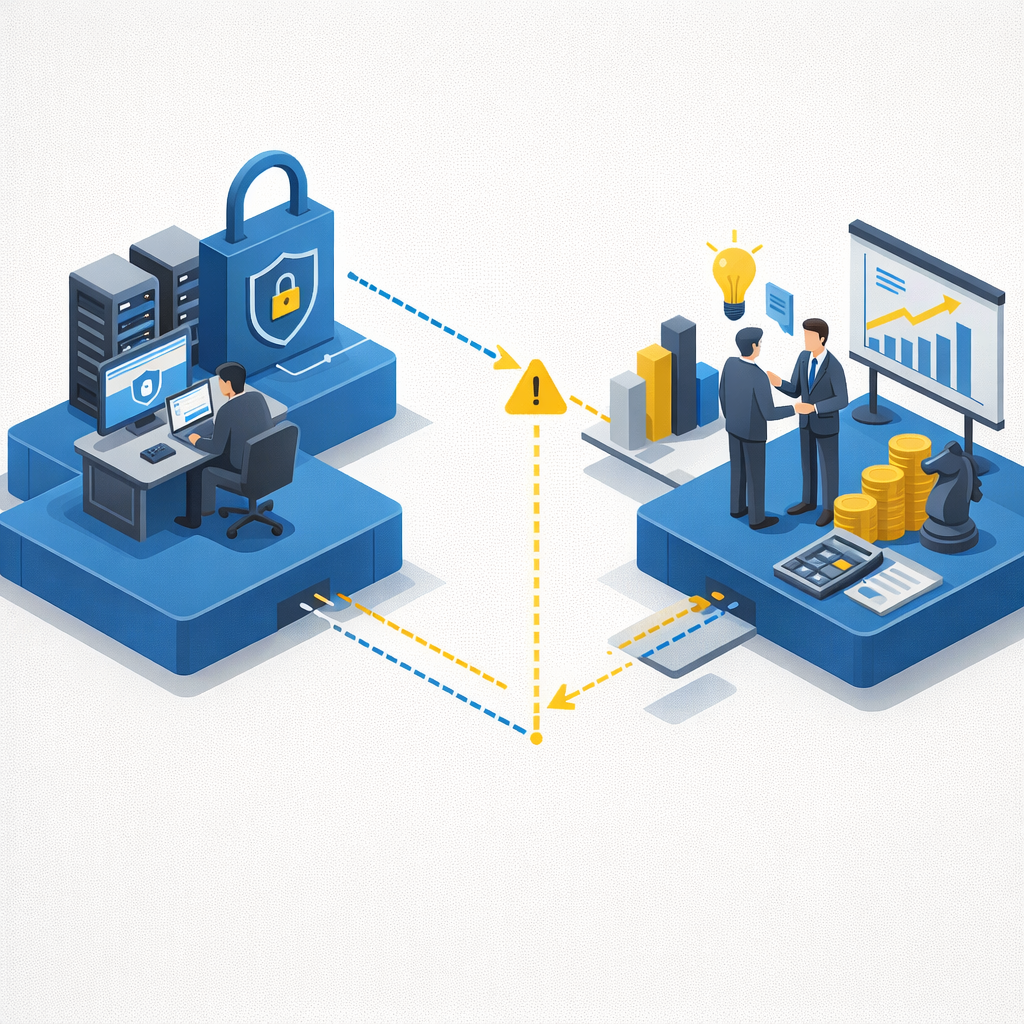
Just like a sneaky Halloween trickster, cybercriminals often disguise themselves as legitimate entities to trick employees into revealing sensitive information. Phishing attacks are one of the most common cyber threats and can open the door to further attacks such as ransomware.

vecteezy login into account and fishing hook internet phishing 35640090
vecteezy filtering data illustration concept vector

How to Avoid:

Employee Training: We provide tailored phishing awareness training, ensuring your team can spot these tricks before it’s too late.

Advanced Email Filtering: Our email security solutions block phishing attempts before they even reach your inbox.

Multi-Factor Authentication (MFA): Add an extra layer of defense by requiring more than just a password to access critical accounts.

Ransomware – The Modern-Day Curse

Imagine waking up to find that all your business’s files are encrypted, with a demand for payment to regain access. Ransomware is the stuff of modern nightmares for businesses. One wrong click can lead to significant financial and data loss.

How to Avoid:

Regular Data Backups: We’ll set up secure, automated backups so your critical data is safe, even in worst-case scenarios.

Threat Detection and Response: Our cutting-edge endpoint protection and monitoring systems detect ransomware threats early, neutralizing them before they spread.

Proactive Patching: We ensure your software and systems are always up to date, closing any potential vulnerabilities before attackers can exploit them.

vecteezy flat design of cyber attack malware wannacry ransomware concept 7457807
vecteezy hackers try to break into the computer system to unlock the 5050196

Data Breaches – A Real-Life Slasher

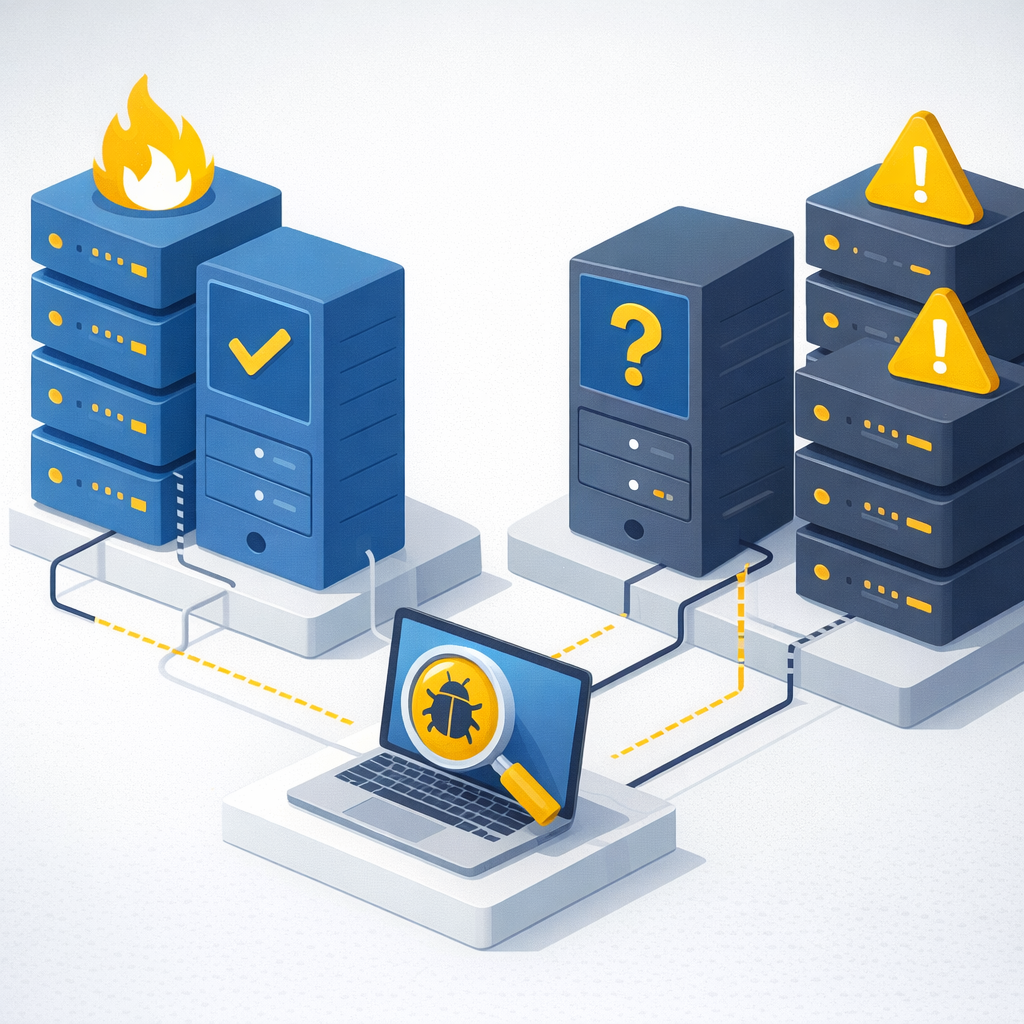
Data breaches can cut deep into a business, exposing confidential information, damaging reputation, and resulting in costly fines. These breaches often stem from weak passwords, unsecured networks, or vulnerabilities in software.

How to Avoid:

Password Policies and Management: We implement strong password policies and tools that enforce best practices and require regular updates.

Network Security: Firewalls, encryption, and advanced security protocols are part of our holistic approach to securing your business’s IT infrastructure.

Security Audits: Our expert team will perform regular audits, identifying weak points and shoring up your defenses before an attack occurs.

Unpatched Software – The Hidden Weak Spot

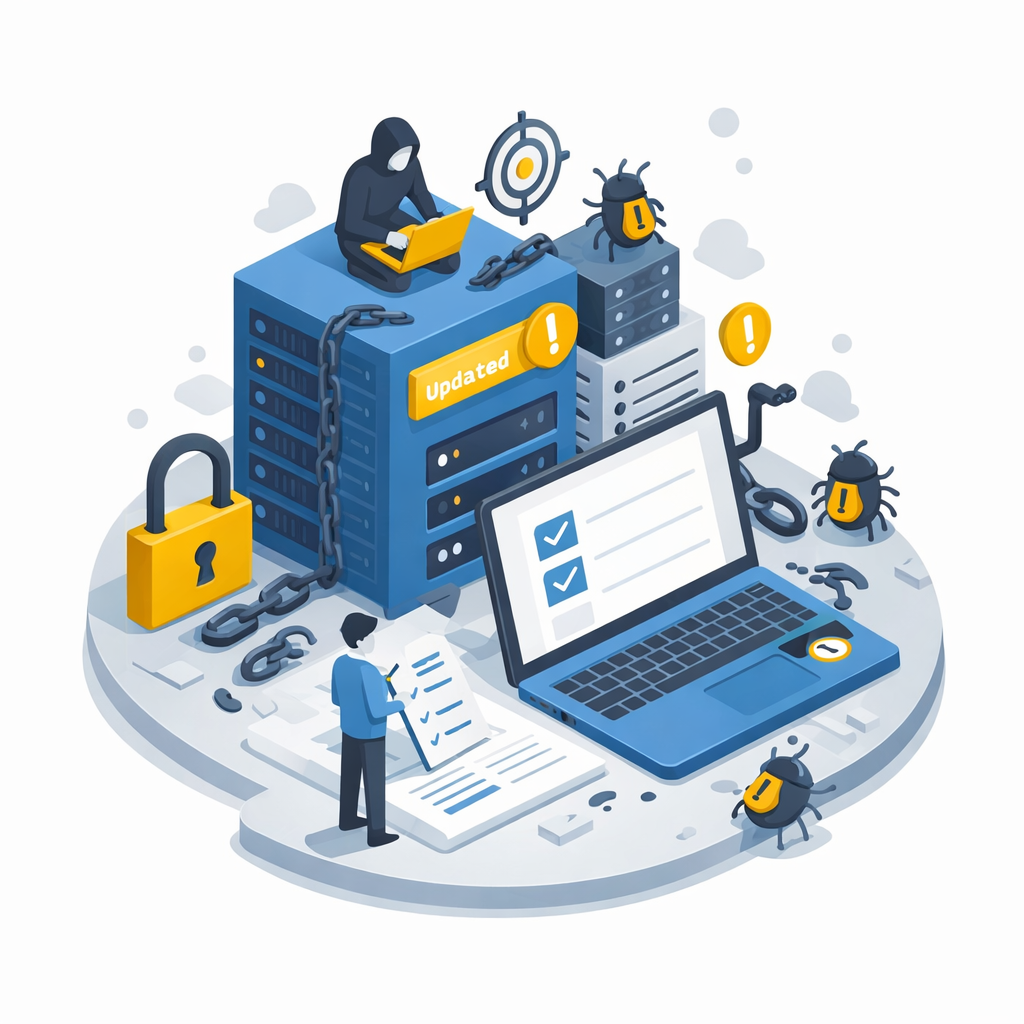
Old, unpatched software is like leaving your business’s back door wide open to cybercriminals. Hackers are constantly looking for outdated systems with known vulnerabilities to exploit. The longer the software remains unpatched, the greater the risk.

How to Avoid:

Patch Management: We handle all software updates and patch installations, ensuring your systems are always secure and up-to-date.

Monitoring and Maintenance: With our 24/7 monitoring, we’ll detect and address vulnerabilities in real-time, so you don’t have to worry about missing an update.

vecteezy patching software blue gradient concept icon 7002865 1
vecteezy data protection anti virus it security using cyber security 22675079

Insider Threats – The Silent Haunter

Not all threats come from outside your business. Sometimes, employees—either intentionally or accidentally—can compromise data or security. An insider threat can wreak havoc by mishandling information, using weak passwords, or falling victim to phishing schemes.

How to Avoid:

Access Control: We help you set up strict access policies, ensuring only authorized personnel can access your most critical systems and data.

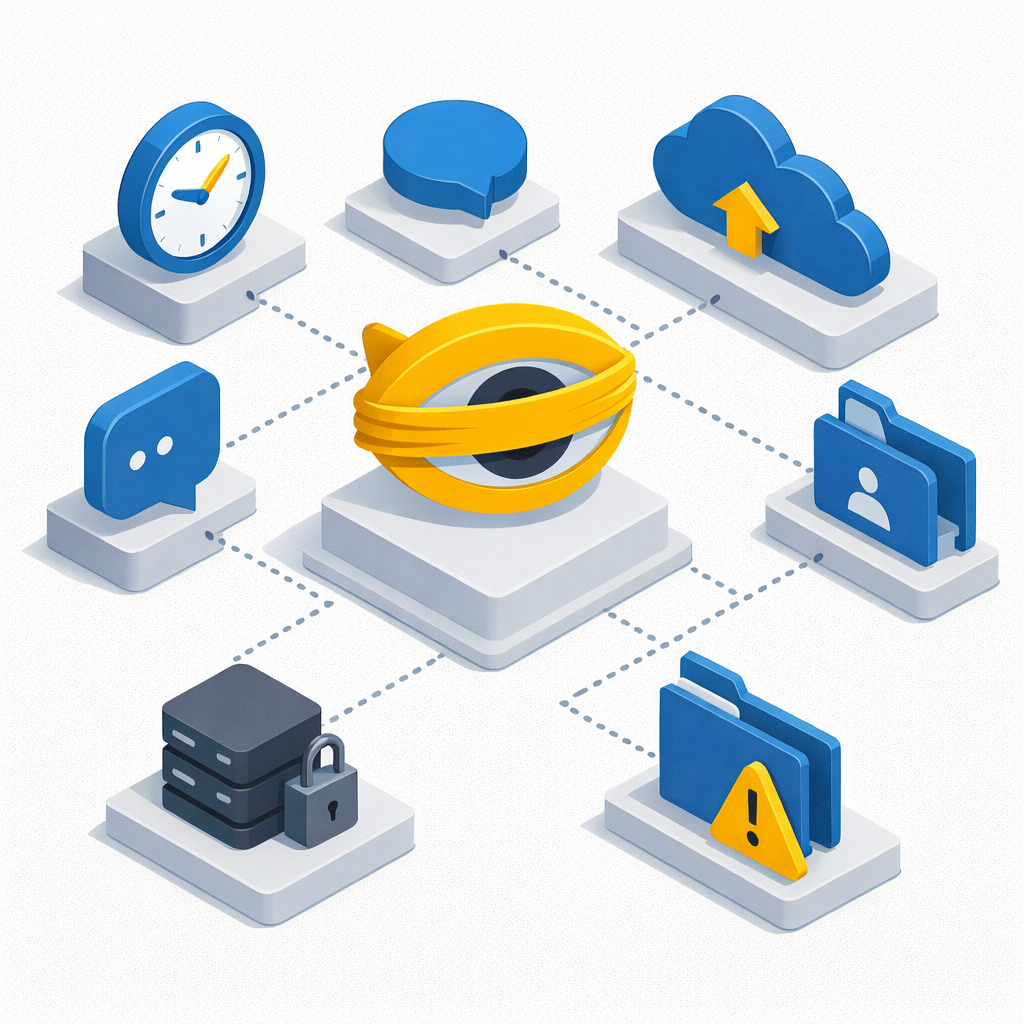
Employee Monitoring: Our tools track internal network activity, allowing us to flag suspicious behavior and mitigate risks.

Security Training: Regular training ensures your employees understand the risks and follow best practices for safeguarding your business.

This Halloween, don’t let cyber scares haunt your business. Taking proactive steps to strengthen your IT security can turn a potential horror story into just another peaceful day at the office. At Infinet, we’re here to protect you from these digital boogeymen. Whether it’s through network security, patch management, or cybersecurity training, we have the tools and expertise to keep your business safe from the things that go bump in the night.

Don’t Let Cyber Scares Haunt Your Business Read More »

DNS: The Internet’s Unsung Hero (And Why It’s Always the Suspect)

background
vecteezy dns flat icon 49289007 1

What is DNS?

DNS stands for Domain Name System, and it’s often referred to as the “phonebook of the internet.” Every time you visit a website like www.example.com, your computer doesn’t actually understand the domain name. Instead, it needs the IP address—the unique series of numbers that identifies the server where the website is hosted (e.g., 192.168.1.1).

This is where DNS comes in.

When you type a website name into your browser, the DNS translates (or “resolves”) that human-readable domain name into an IP address, telling your computer where to find the site. Without DNS, you’d need to remember long strings of numbers for every site you want to visit—imagine trying to memorize the IP addresses of all your favorite websites!

How DNS Works

  1. You enter a URL into your browser, like www.example.com.
  2. Your computer sends a request to a DNS server, asking, “What’s the IP address for this website?”
  3. The DNS server checks its database. If it knows the answer, it sends back the IP address.
  4. If the DNS server doesn’t know, it’ll ask other DNS servers (in a hierarchy) until it finds the correct IP.
  5. Once the IP address is found, your computer uses it to connect to the website’s server, and voila—you’re browsing!
vecteezy ip address vector icon 1

Why the Joke: “It’s Always DNS”

Now that you know what DNS does, here’s why it’s the punchline of so many troubleshooting jokes. DNS is a crucial part of how the internet works, but it’s also one of the first things to go wrong when there’s a problem connecting to a website or a service. Here are a few reasons DNS issues come up so often:

vecteezy software configuration flat vector illustration financial 11431299 2

DNS Caching Problems: Computers and DNS servers cache (store) DNS results to speed up future requests. Sometimes these cached entries become outdated, meaning your computer might be trying to connect to the wrong IP address.

DNS Configuration Errors: Incorrectly configured DNS settings on your device, router, or network can lead to websites not resolving properly or at all.

DNS Propagation Delays: When a website’s IP address changes (e.g., after a server migration), it can take time for DNS servers around the world to update their records. During this period, some users might not be able to access the website.

DNS Server Outages: If a DNS server goes down (which can happen), websites won’t be resolved correctly, making them appear offline even though the server is still functioning.

Malicious Attacks: DNS is also a common target for attacks, such as DNS spoofing or DNS DDoS (Distributed Denial of Service) attacks, which can disrupt service by misdirecting traffic or overloading DNS servers.

Because DNS is the foundational system that connects domain names with IP addresses, if there’s any issue with your internet connection, one of the first places to check is DNS. Hence, “It’s always DNS” is a go-to phrase in troubleshooting because it often is the cause of the problem.

vecteezy digital lines made of numbers globe big data background 3d 27883472

If you’re experiencing issues with DNS, don’t worry—our team is here to help you resolve them quickly and efficiently. Rather than spending time trying to troubleshoot these complex systems yourself, let us handle it. Here’s what we can do for you:

Clear DNS Caches: We can remotely access your network and devices to clear any outdated DNS cache entries that might be causing issues.

Switch to Reliable DNS Servers: If your current DNS provider is slow or unreliable, we can configure your network to use trusted public DNS services like Google’s or Cloudflare’s for faster and more stable connections.

Diagnose and Reconfigure DNS Settings: Our team will analyze your DNS configuration to ensure everything is properly set up, whether that’s on your local machines, routers, or server infrastructure.

Monitor for DNS Attacks: In case of any malicious activity targeting your DNS, we can help detect, mitigate, and secure your system from attacks like DNS spoofing or DDoS.

Expert Support: Our team is dedicated to providing prompt and reliable support to ensure any DNS issues are resolved quickly, keeping your network running smoothly and efficiently.

When DNS works, it’s seamless and invisible. But when it breaks, it can bring your internet experience to a halt. That’s why when troubleshooting, “it’s always DNS” becomes the first thing many IT pros look at. Fortunately, DNS issues are often easy to diagnose and fix, so you can get back to browsing without too much hassle.

DNS: The Internet’s Unsung Hero (And Why It’s Always the Suspect) Read More »

InfiNet’s Guide to Cloud Security

hot air baloon

As more data moves to the cloud, the need for Cloud Security becomes even more critical. At InfiNet, we help businesses in the greater Omaha area safeguard their cloud environments so they can stay focused on what matters most—growing their business. Here’s how we do it:

1. Multi-Factor Authentication (MFA)

We’ve all heard the stories about hackers stealing passwords, but with Multi-Factor Authentication (MFA), passwords alone aren’t enough. InfiNet sets up MFA for your business, which means that even if someone gets hold of a password, they’ll still need a second form of verification (like a code sent to your phone) to access your systems. It’s a simple but highly effective way to block unauthorized access, strengthening your Cloud Security.

Cloud Security
vecteezy conceptual template with man standing at control panel and 13124163

2. Location-Based Access Control

Not everyone needs access to your cloud systems from everywhere. At InfiNet, we can set up location-based access controls, meaning only people in approved locations can log into your cloud resources. This is especially useful if you want to block access from foreign or high-risk regions where most cyberattacks originate. This is another method to ensure Cloud Security.

3. Role-Based Access Control (RBAC) and Identity and Access Management

Instead of giving everyone access to everything, Role-Based Access Control (RBAC) allows us to limit access to only what your employees need for their jobs. This reduces the risk of accidental (or intentional) misuse of sensitive company information. InfiNet will work with you to assign roles that make sense for your team, keeping your data safe while still being easy to access for those who need it. This approach bolsters Cloud Security.

vecteezy roles and responsibilities teamwork or resource management 48520272
DKIM and DMARC

4. Email Security with DKIM and DMARC

Email is often the first place cyberattacks happen, but with DKIM and DMARC, InfiNet helps protect your company from email spoofing and phishing. These tools ensure that your business emails are coming from a trusted source—your domain—and stop hackers from pretending to be you. This not only keeps your information secure but also protects your company’s reputation, enhancing your overall Cloud Security.

5. Data Loss Prevention (DLP) Policies

Ever worry that sensitive business data might accidentally get shared with the wrong person? InfiNet sets up Data Loss Prevention (DLP) policies that prevent employees from mistakenly sending confidential information (like credit card numbers or trade secrets) outside your organization. It’s an easy way to avoid costly mistakes. By implementing DLP policies, we enhance your Cloud Security.

Cloud Security
Project 153 03

6. Encryption for Emails and Files

Encryption is like putting your data in a lockbox. InfiNet ensures that both your emails and files are encrypted, meaning that even if someone intercepts them, they won’t be able to read or use the information without the key. It’s an essential layer of protection that we set up for all our clients, improving their Cloud Security.

Social Monitoring 01 generated
vecteezy email threat flat style design vector illustration stock 24436239

8. Advanced Threat Protection for Emails

Phishing attacks—where hackers try to trick you into giving up personal information—are on the rise. InfiNet protects your email systems from phishing and malware before they reach your inbox. This keeps your employees from accidentally clicking on malicious links or downloading harmful files, adding an extra layer to your Cloud Security.

9. Compliance and Security Audits

Need to ensure your business is following industry regulations? InfiNet sets up auditing and logging tools that track all changes and activities across your Microsoft 365 and Azure environments. This not only helps you stay compliant but also allows you to see who’s accessing your data and when. These audits play a vital role in maintaining Cloud Security.

vecteezy compliance engineer illustration concept on white background 9352804
vecteezy line icon for policy 16742634

10. Policy Enforcement for Compliance

If your business operates in a regulated industry, compliance is non-negotiable. InfiNet uses Azure Policy to enforce the rules needed to stay in line with industry standards. Whether it’s protecting financial data or meeting healthcare privacy requirements, we ensure your cloud systems are always compliant, thus reinforcing Cloud Security.

11. Network Security and Zero Trust

We apply a Zero Trust approach to your cloud environment. This means that every access request, from every user and device, is verified before being granted. We also use tools like firewalls and Virtual Private Networks (VPNs) to protect communication between your systems and make sure no unauthorized traffic gets in. These measures collectively enhance your Cloud Security.

vecteezy Cyber Security Illustration ma1020

GET IN TOUCH

Don’t wait for a storm—reach out now and let InfiNet protect your business in the cloud!

InfiNet’s Guide to Cloud Security Read More »

How to Place or Lift a Security Freeze on Your Credit Report

664 generated

What is a Credit Freeze?

A credit freeze, also known as a security freeze, restricts access to your credit report. This means that creditors cannot view your credit report, preventing them from approving any new credit accounts in your name—whether fraudulent or legitimate.

If you need to open a new account or apply for credit, you can temporarily or permanently lift the freeze to allow lenders to access your credit files.

How to Place/Remove a Credit Freeze

You can place or lift a credit freeze on your report at no cost by contacting each of the three major credit reporting agencies listed below. Follow the below links to the providers Credit Freeze information page.

TransUnion

Experian

Equifax

How Long Do Freeze Requests Take?

By Mail: The freeze must be lifted within three business days.

Placing a Freeze:

Online or by Phone: The credit reporting agencies must freeze your report within one business day.

By Mail: The agencies must freeze your report within three business days.

Lifting a Freeze:

Online or by Phone: The freeze must be lifted within one hour.

vecteezy hourglass with melting ice 8233596

By understanding how to place and lift a credit freeze, you can better protect yourself from potential fraud, especially in the wake of the recent data breach.

How to Place or Lift a Security Freeze on Your Credit Report Read More »

Fast boot (Shut Down) vs. Restarting: What’s the Difference? Let’s Clear It Up!

Rebooting

Today, we’re tackling one of those head-scratchers that even the most seasoned computer users sometimes trip over: the difference between rebooting and restarting a machine. You’ve probably heard the phrase, “Have you tried turning it off and on again?” more times than you can count. (It’s an IT classic, after all!) But let’s dive into what that really means, especially when it comes to Fast Boot vs Restart.

Hey there! It’s your go-to IT team at InfiNet Solutions, ready to tackle another tech topic that might have you scratching your head: the difference between Fast Boot and Restart. Both of these options can impact how quickly your computer gets back to work, but they operate a bit differently under the hood. Let’s dive in!

Fast Boot: The Quick Wake-Up Call

vecteezy grey power button cartoon icon 14153418

Fast Boot (sometimes called Fast Startup) is a feature designed to get your computer up and running faster after you shut it down. Here’s how it works:Fast Boot is great when you want to power up your computer quickly, but it’s important to note that it doesn’t refresh everything. It’s like waking up from a nap rather than starting a new day.

Restart: The Complete Reset

Restarting your computer, on the other hand, does a full reset of the system. Here’s what happens during a restart:

Full System Shutdown: When you restart, the computer closes all applications, stops all processes, and clears out the RAM. It’s like a mini version of a shutdown, but instead of staying off, the system immediately powers back on.

Hardware and Software Reset: The restart process reinitializes both hardware components and software processes. This means that any glitches, memory leaks, or minor issues are cleared out, giving you a fresh start.

Boot From Scratch: Unlike Fast Boot, a restart doesn’t use a saved system state. The operating system and all drivers are reloaded from scratch, ensuring that everything is reset to a known good state.

vecteezy reset flat icon 47212064

A restart is what you want when you need to clear out persistent issues or ensure that everything is running smoothly after updates or installations. It’s a bit slower than Fast Boot but provides a more thorough reset.

Fast Boot vs Restart

When to Use Fast Boot vs. Restart

Fast Boot: Use Fast Boot if you’re in a hurry and just need your computer to start up quickly. It’s perfect for those everyday sessions when you don’t need a full system reset and just want to get back to work as fast as possible.

Restart: Opt for a restart when your computer is acting up, after installing updates, or if you’re troubleshooting an issue. Restarting ensures that everything is completely reset, which can help clear out any lingering problems.

In a nutshell, Fast Boot is your speediest option, but it doesn’t offer the full refresh that a restart does. If you’re looking for speed, go with Fast Boot. If you need to ensure everything is running perfectly, take the extra time to do a full restart.

Still Running into issues?

Fast boot (Shut Down) vs. Restarting: What’s the Difference? Let’s Clear It Up! Read More »

Call Now Button