
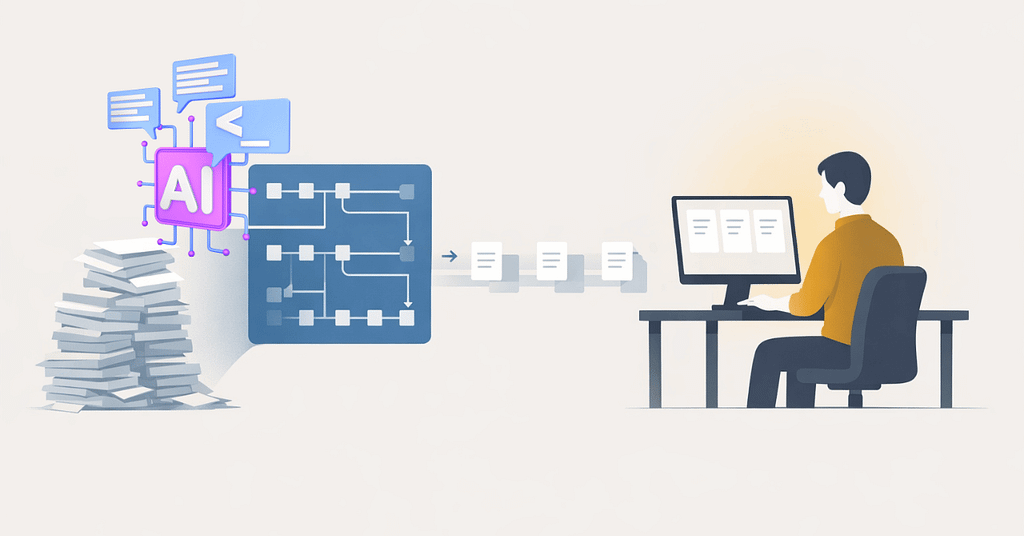
Most teams don’t question whether AI works. The challenges show up elsewhere.
Work takes longer than expected. Decisions stall while teams look for context. Results vary based on who is doing the work and how much capacity they have.
This is where AI workflow efficiency becomes relevant.
When applied intentionally, AI doesn’t feel disruptive. It reduces friction in everyday work. Tasks move faster. Decisions are easier to support. Output becomes more consistent across teams.
Table of Contents
1. Work Starts Moving Again
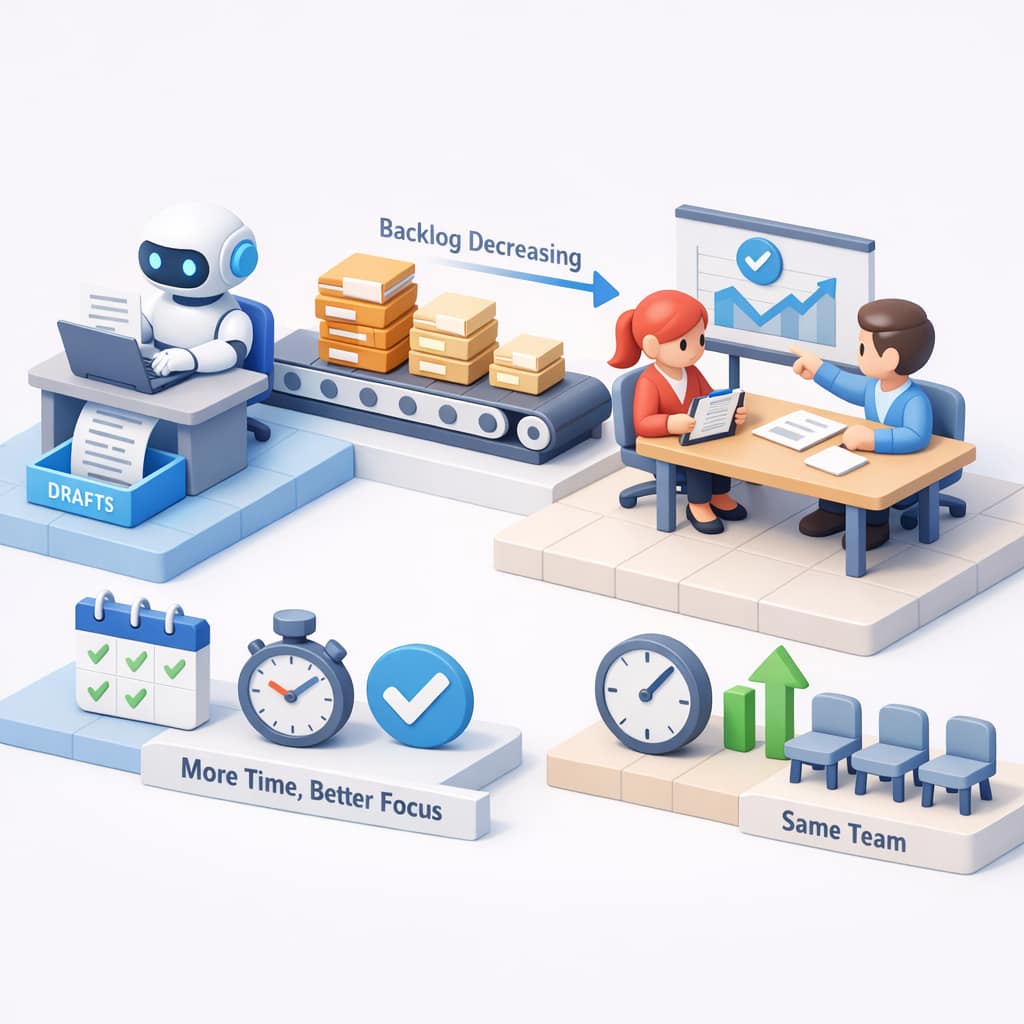
This tends to show up in small, repeatable moments. Drafts appear faster. Backlogs shrink. Routine tasks stop piling up.
AI handles the first pass. People focus on judgment.
What to keep in mind:
When work stops dragging, teams gain time without adding headcount.
2. Decisions Don’t Stall on Context
Most teams don’t lack information—they lack alignment.
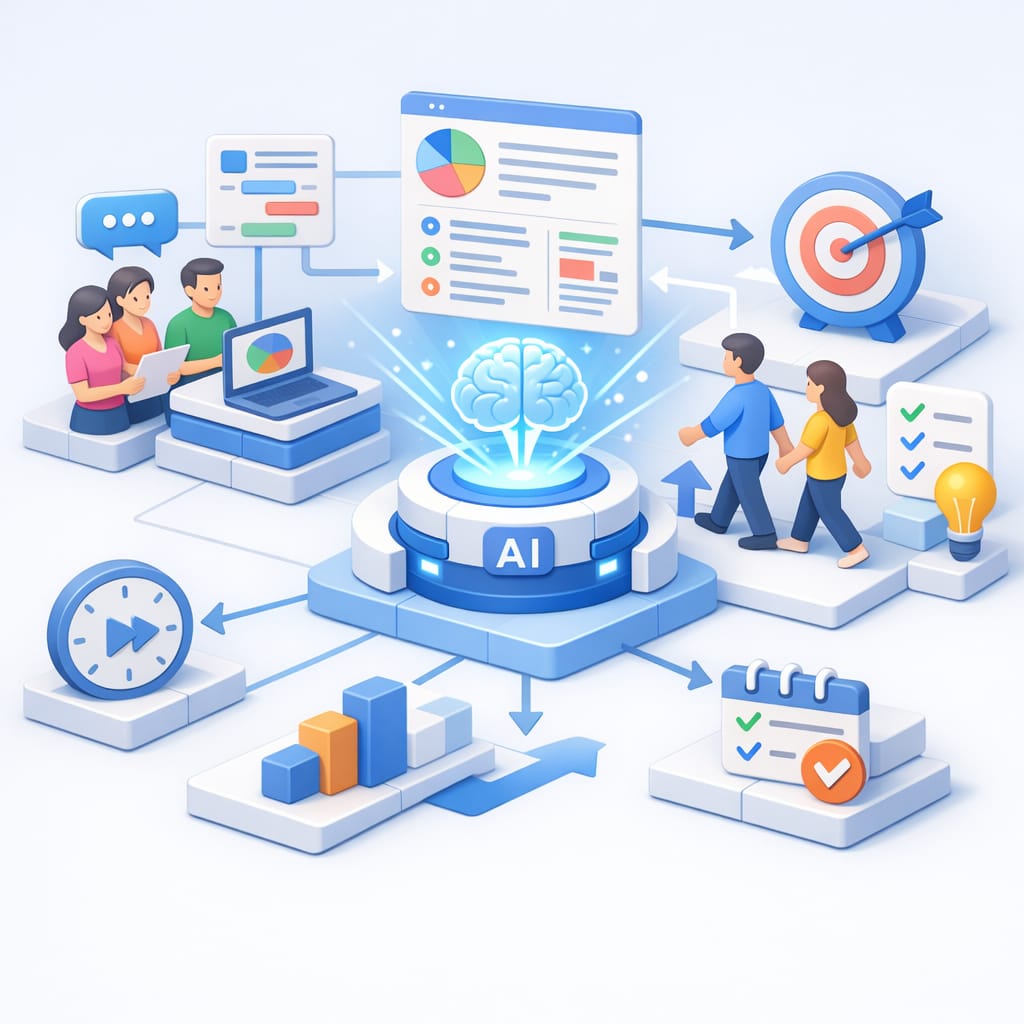
AI pulls context together quickly. It summarizes, connects inputs, and highlights what matters. Instead of chasing answers, teams move forward.
What to keep in mind:
Faster clarity improves momentum without adding meetings.
3. Output Becomes More Predictable
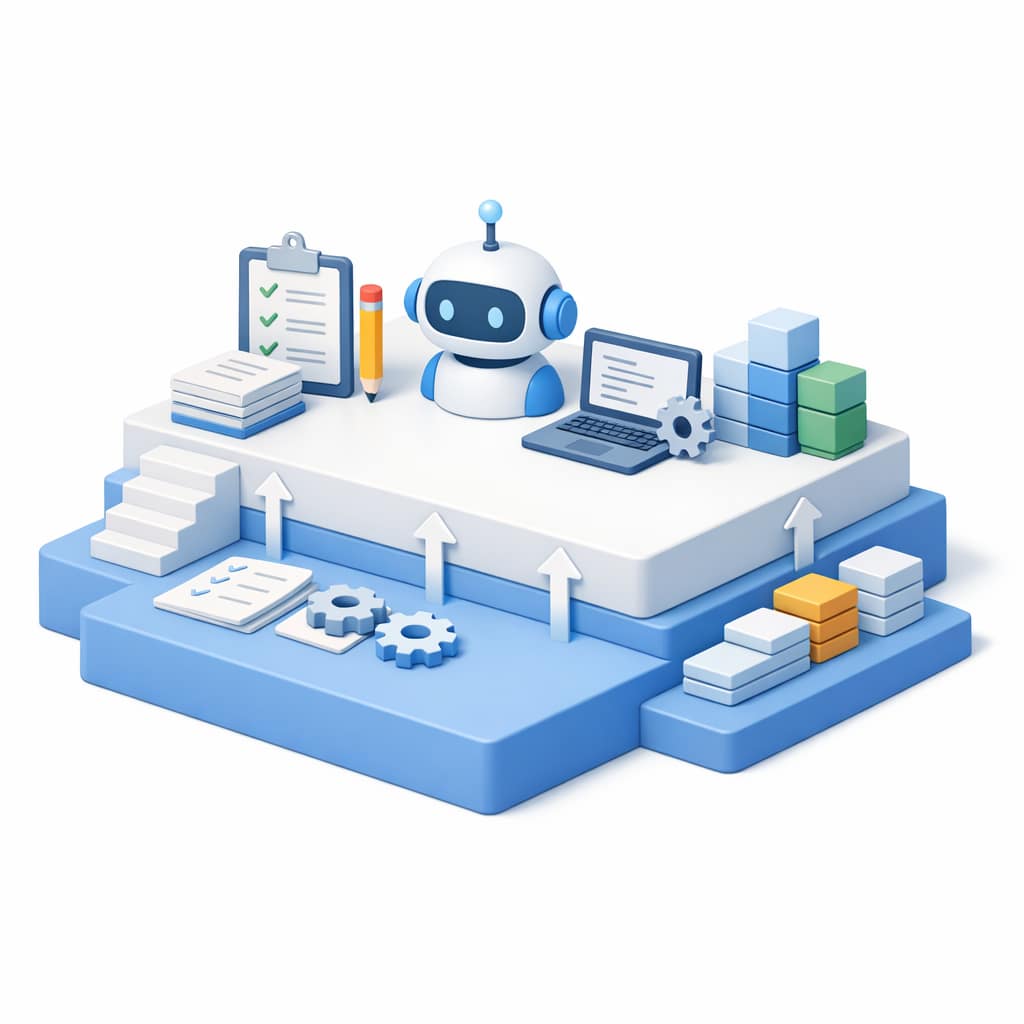
This tends to show up as fewer inconsistencies. Writing improves. Documentation stabilizes. Routine work becomes more uniform.
AI raises the floor.
What to keep in mind:
Consistency reduces rework and makes outcomes easier to trust.
4. Small Gains Compound Into Real Impact
Early improvements don’t look dramatic—but they add up.
A few minutes saved here. A faster decision there. Less back-and-forth across teams.
Over time, that becomes noticeable operational lift—and that’s where it begins to pay for itself.
What to keep in mind:
Efficiency shows up first. Financial impact follows.

Start Where Work Feels Friction
The fastest AI wins don’t come from transformation plans.
They come from fixing what already feels slow, unclear, or inconsistent.
Start where work gets stuck. Where decisions take too long. Where output varies more than it should. That’s where AI makes the biggest difference first—and where guidance from a local managed IT service can help align AI use with real workflows instead of abstract goals.
If AI could remove friction in just one of your core processes today, do you know where that value would show up first?

Frequently Asked Questions
1. How does AI workflow efficiency improve daily operations?
AI workflow efficiency improves daily operations by reducing time spent on drafting, summarizing, and repetitive tasks. It helps teams move faster, make decisions with clearer context, and produce more consistent output without adding complexity.
2. Where should businesses start with AI workflow efficiency?
Most organizations see early value by applying AI to one specific workflow—like drafting content, summarizing information, or preparing reports—where delays or rework already exist. Starting small makes the impact easier to measure and scale.
3. Does AI workflow efficiency always lead to ROI?
AI workflow efficiency typically shows up first as faster work, clearer decisions, and more consistent output. As those improvements compound, they reduce wasted time and effort—allowing ROI to follow naturally over time.